About
Robert Lockwood: The art of redesigning newspapers
Lockwood has redesigned more than 100 newspapers in the United States, Canada, South America, Europe and Southeast Asia. He started the first international information graphic service and created the Associated Press’s information graphics service while working for 18 years as a consultant for AP’s executive editor and president . He has led dozens of seminars in journalistic training sessions, including a series at the Centre de Perfectionnement des Journalistes in Paris, France. He worked with Abbott Sekaquaptewa, former chairman of the Hopi Tribal Council, introducing computer page-making capabilites for The Hopi Foundation in Kykotsmovi, Arizona.
With wife Nancy and associate Michael Leary, he operated a news and editorial consultancy for more than 20 years in Pennsylvania and later in Maine. He is co-founder and first president of the Society for News Design, an international organization for news media professionals and visual communicators. He is the author of the books, News by Design, whumsical, and George Anthiel gives a concert…
Newspaper Redesigns: Partial list
United States
- The Morning Call (Allentown, PA)
- The Philadelphia Bulletin
- The Philadelphia Daily News
- Dallas Morning News
- Chicago Sun-Times
- Baltimore Sun
- L.A. Herald (Prototype)
- Christian Science Monitor (Boston)
- The World Edition of The Christian Science Monitor
- San Antonio Light
- Memphis Commercial Appeal
- New York Daily News
- The Sun (Lowell, MA)
- The Birmingham News
- Wisconsin State Journal (Madison)
- The Buffalo News
- The Daily Hampshire Gazette (Northampton, MA)
- Columbus Dispatch (Columbus, OH)
- The Vindicator (Youngstown, OH)
- American Banker (New York)
- Milwaukee Journal
- The Journal of Commerce (New York)
- The Press Enterprise (Riverside, CA)
- The Minneapolis Star Tribune
- The Jersey Journal
- Central Maine Newspapers
International
- La Nazione (Florence/Firenze, Italy)
- Il Piccolo (Trieste, Italy)
- Il Resto del Carlino (Bologna, Italy)
- The London Free Press (London, Ontario, Canada)
- The Globe and Mail (Toronto, Canada)
- The Bangkok Post (Thailand)
- Berliner Zeitung (Berlin, Germany)
- The Financial Times für Deutschland (Hamburg, Germany)
- Die Presse (Vienna, Austria)
- The Kleine Zeitung (Graz, Austria)
- Netzabadag (Budapest, Hungary)
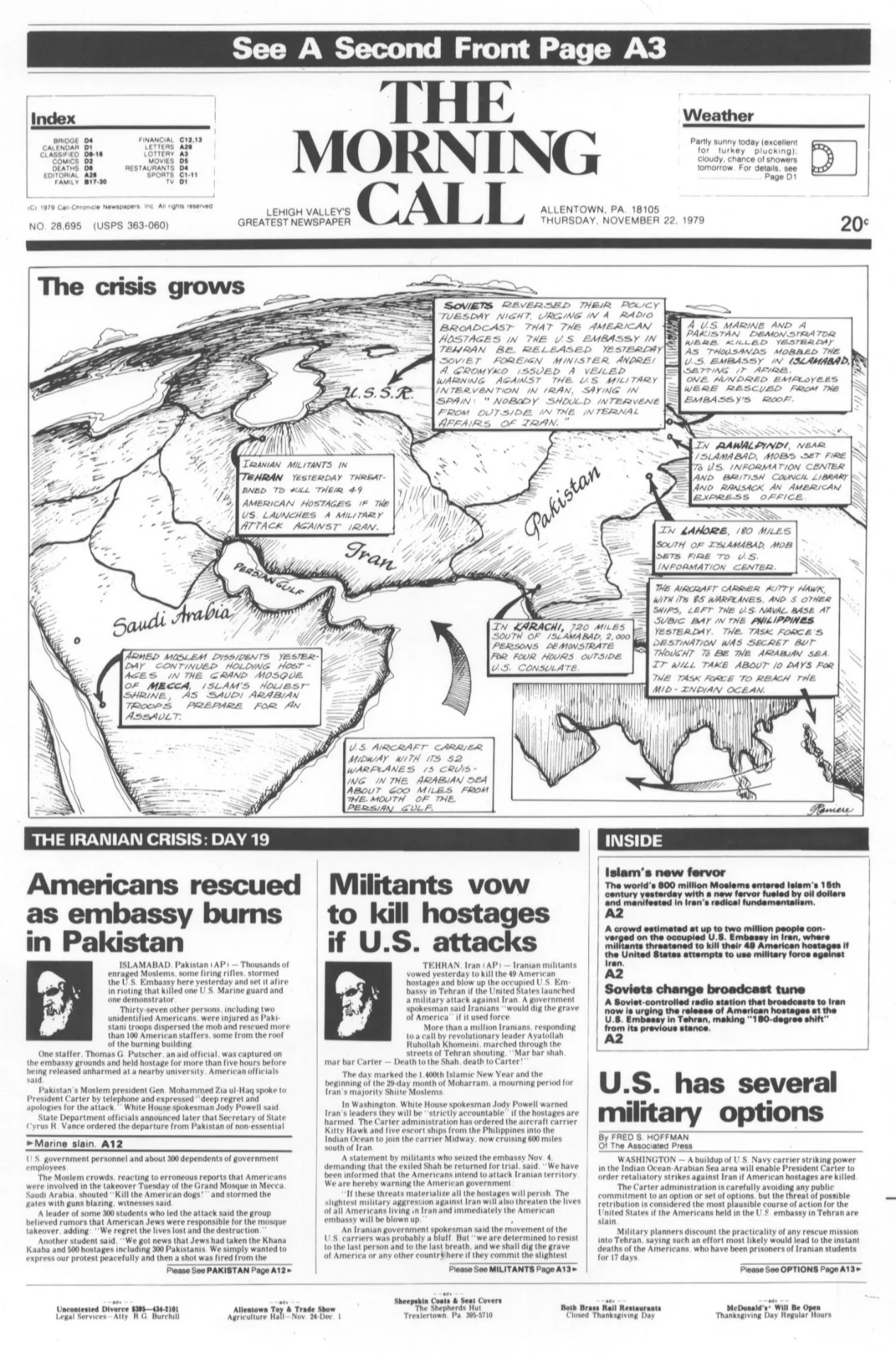
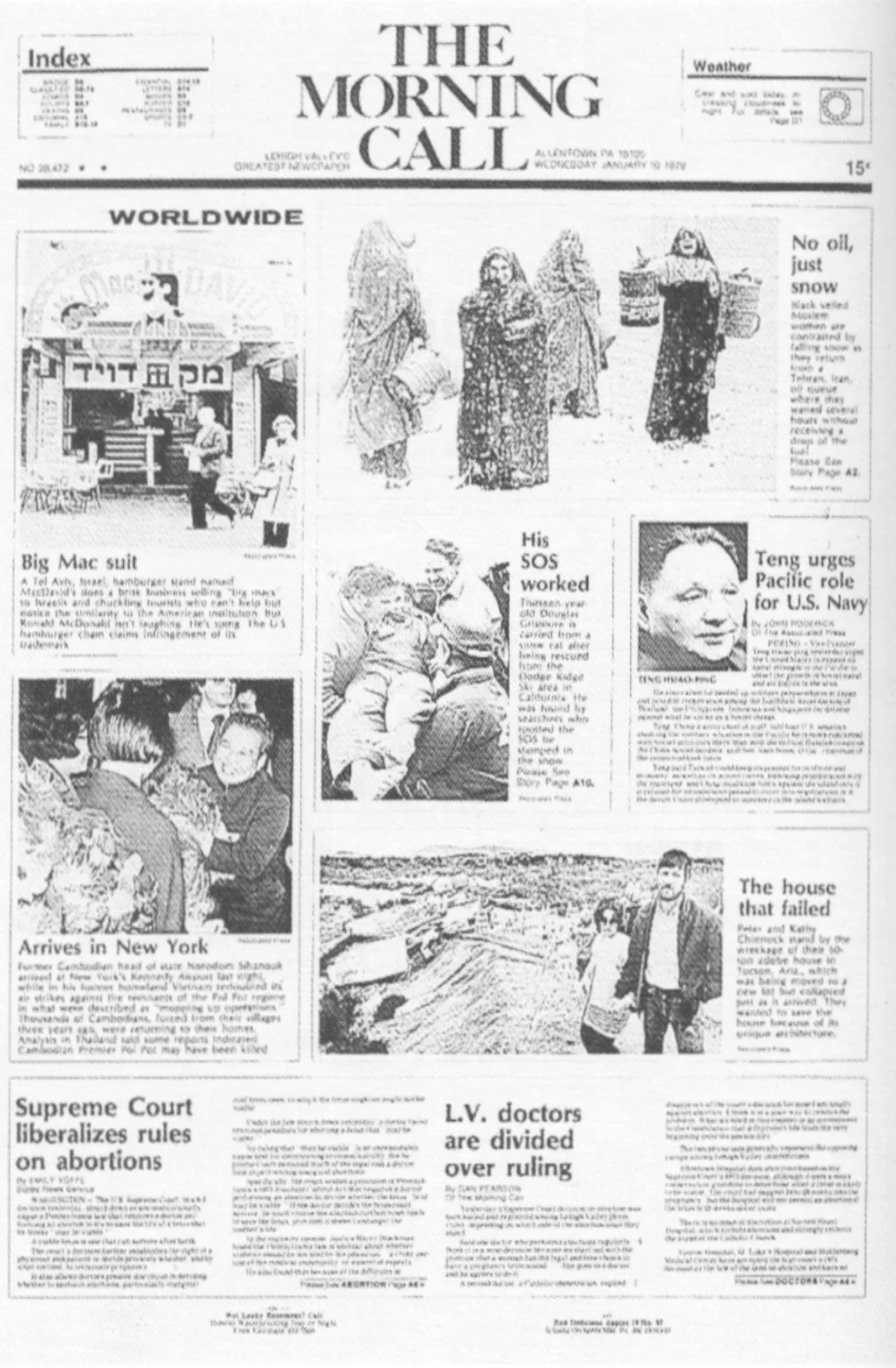
The Morning Call: Creating chaos out of order (1978)
Walt Whitman when comparing the poems of the past with free verse, likened the measures of the past to the columns of a classic temple: The rhythms were predetermined and fixed while modern poetry is metrical, its rhythms are more like the waves hitting the shore, dictated by the internal pressures of the sea.
We applied Whitman’s metaphor to the daily news report. Rather than being restrained by a predetermined front-page format, we let the internal pressures of the days news determine the presentation—the front page might result in a photographic essay, a full-page informational graphic, or any combination of text, photos and graphics.
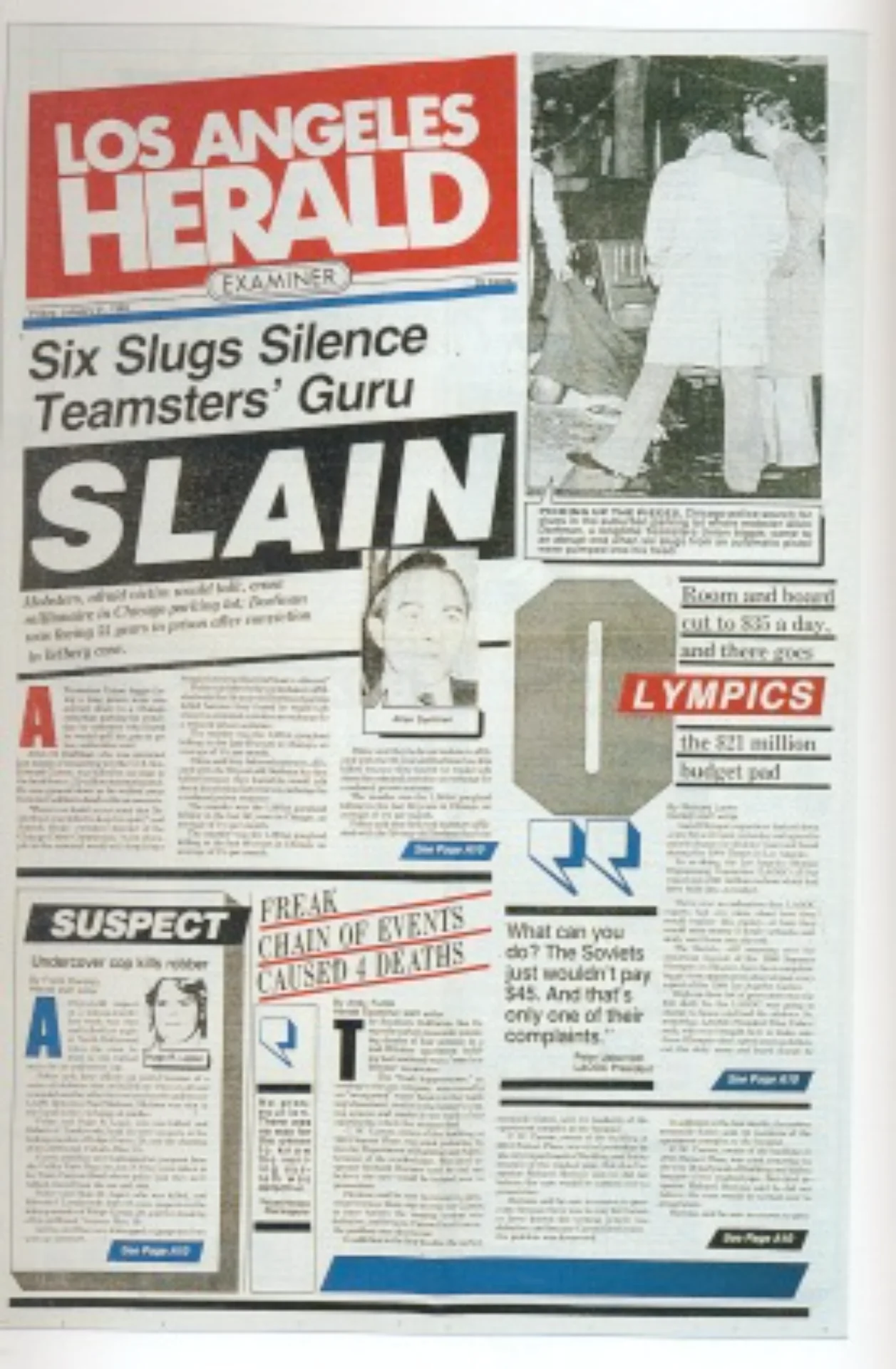
The Los Angeles Herald-Examiner: Past perfect intense (1983)
In late 1982, Bob Danzig, president of Hearst’s newspaper division and Buddy Hayden, president of the Los Angeles Herald-Examiner, asked journalist Craig Ammerman and me to a to create an downscale design version for the Herald.
We turned to ideas developed by Constructionist and Futurist movements of the 1920s where typography was used as an expressive language as well as a verbal one. Determined too radical, the redesign never saw the light of day.
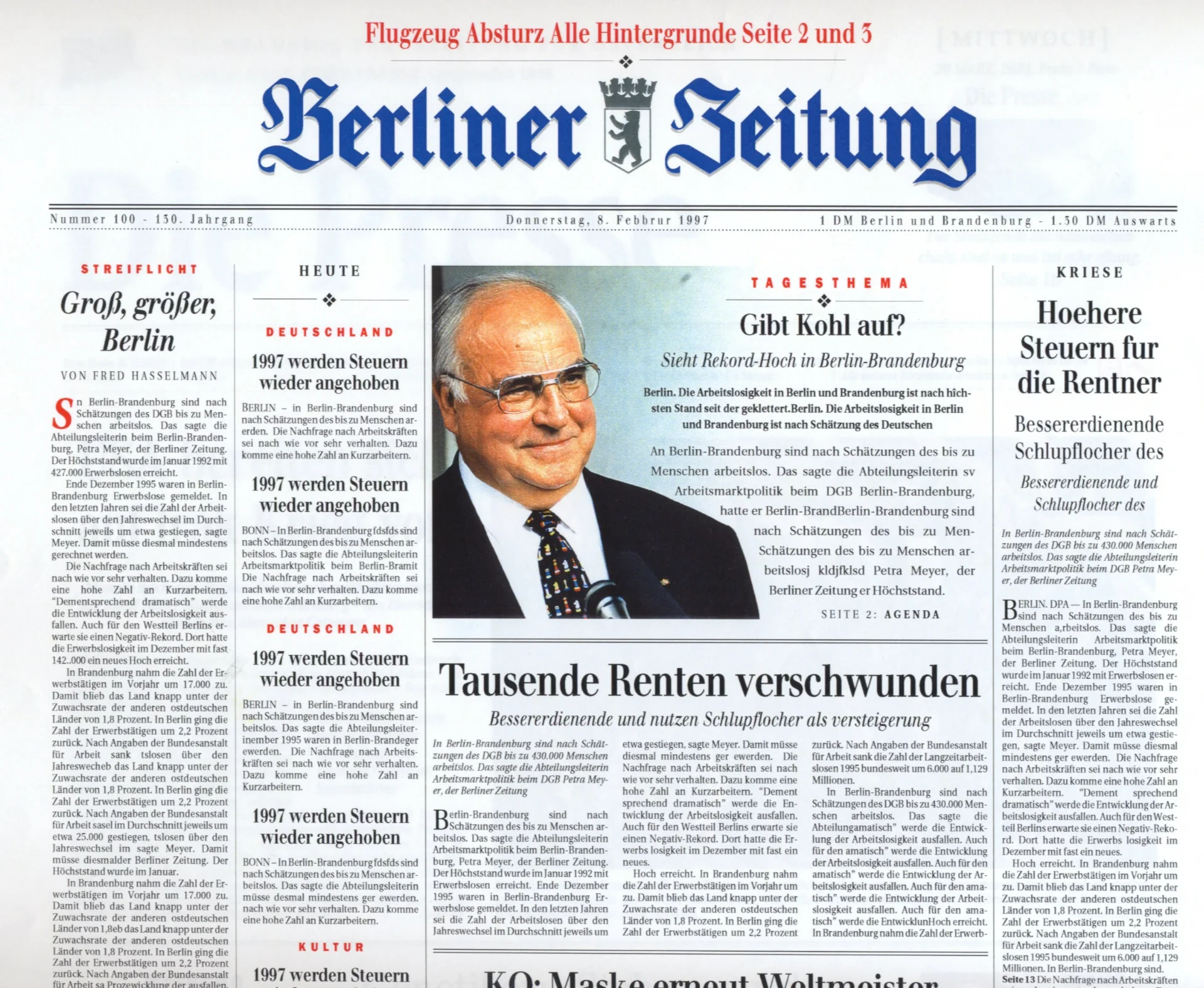
Berliner Zeitung: A classical spin (1998)
The Alte Nationalgalerie Museum in Berlin is graced with a neoclassical facade. The columns march along in a fixed pattern. The effect is one of order and stability. With the facade in mind, I placed more emphasis on the front page’s six vertical news columns creating a fixed rhythm bringing order and a more distinctive image to the page.
The Morning Call: Creating chaos out of order (1978)
Walt Whitman when comparing the poems of the past with free verse, likened the measures of the past to the columns of a classic temple: The rhythms were predetermined and fixed while modern poetry is metrical, its rhythms are more like the waves hitting the shore, dictated by the internal pressures of the sea.
We applied Whitman’s metaphor to the daily news report. Rather than being restrained by a predetermined front-page format, we let the internal pressures of the days news determine the presentation—the front page might result in a photographic essay, a full-page informational graphic, or any combination of text, photos and graphics.

The Los Angeles Herald-Examiner: Past perfect intense (1983)
Berliner Zeitung: A classical spin (1998)
The Alte Nationalgalerie Museum in Berlin is graced with a neoclassical facade. The columns march along in a fixed pattern. The effect is one of order and stability. With the facade in mind, I placed more emphasis on the front page’s six vertical news columns creating a fixed rhythm bringing order and a more distinctive image to the page.
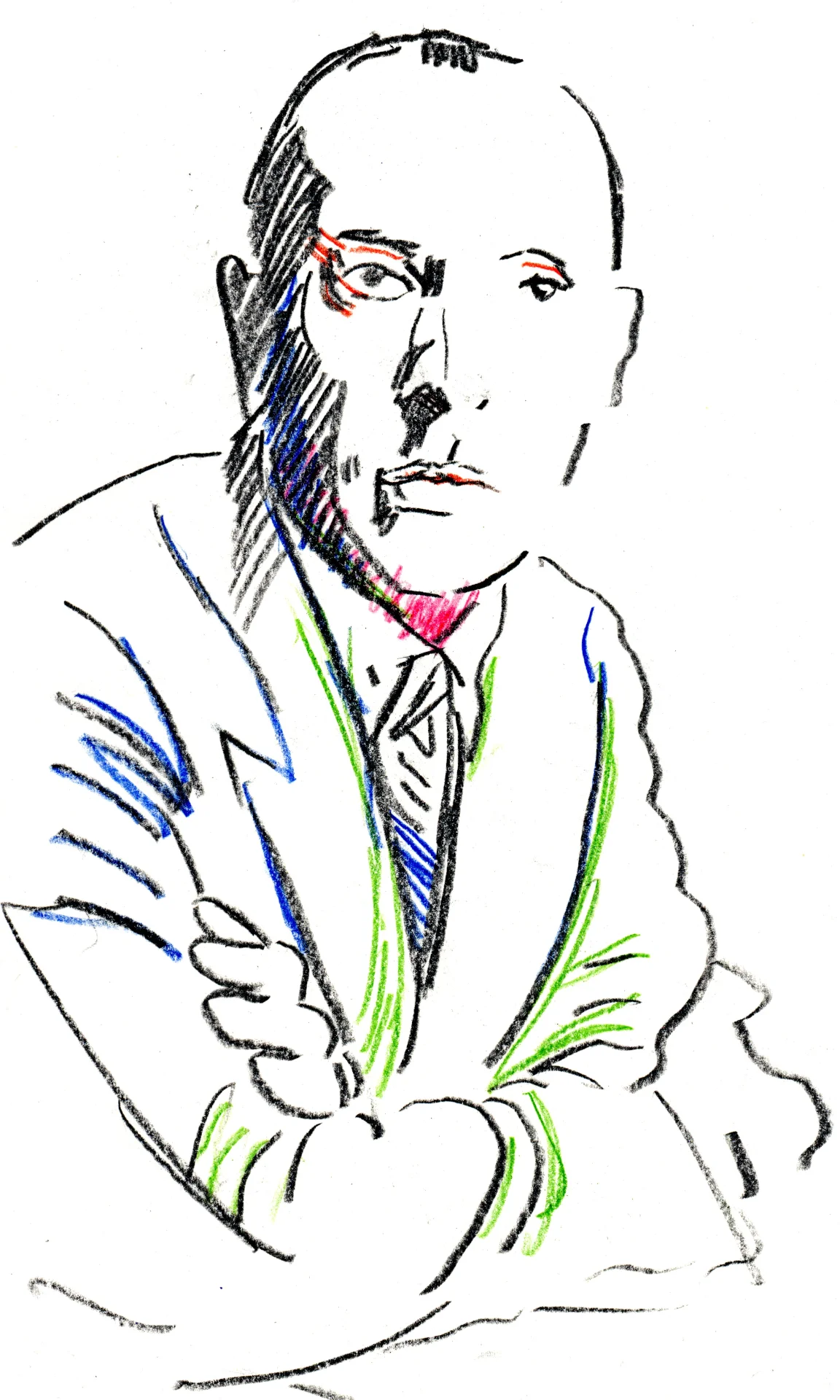
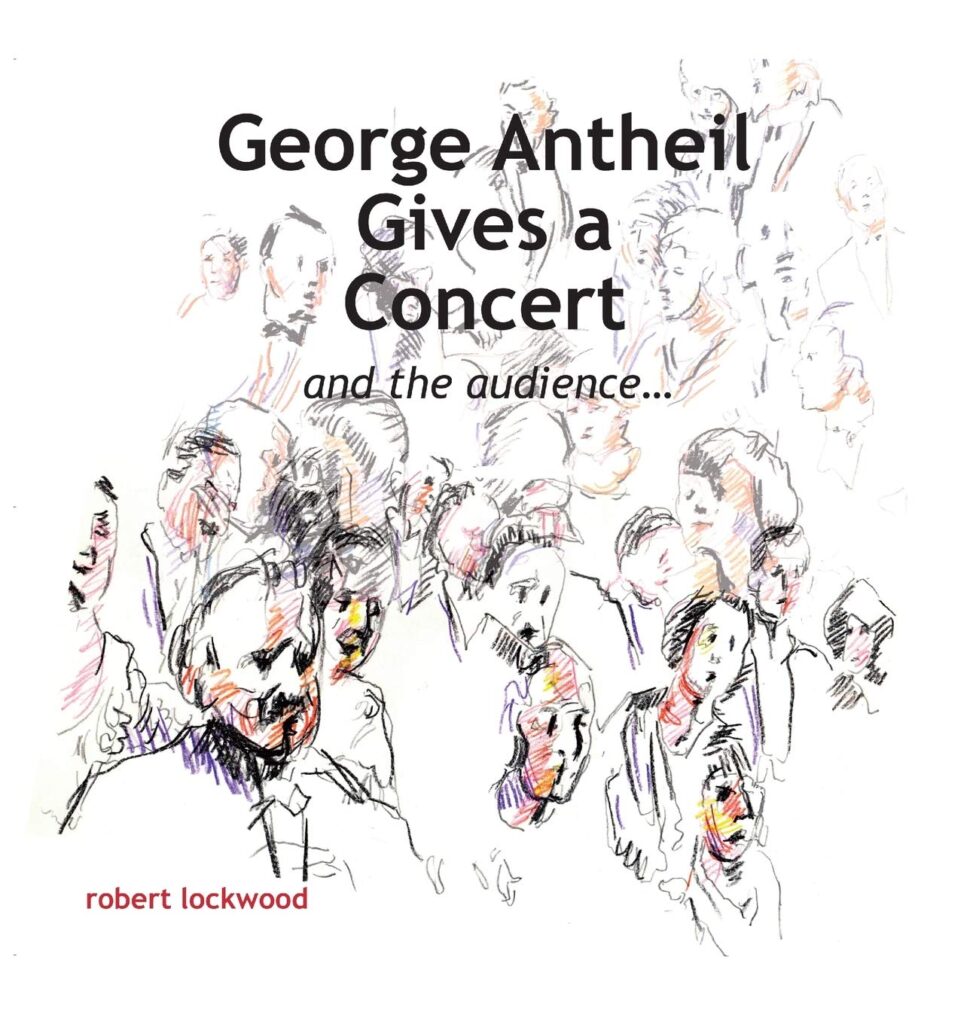
Books: George Antheil Gives a Concert
(Piscataqua Press, Portsmouth NH)
Written and illustrated by Robert Lockwood for readers under sixteen and over seventy.
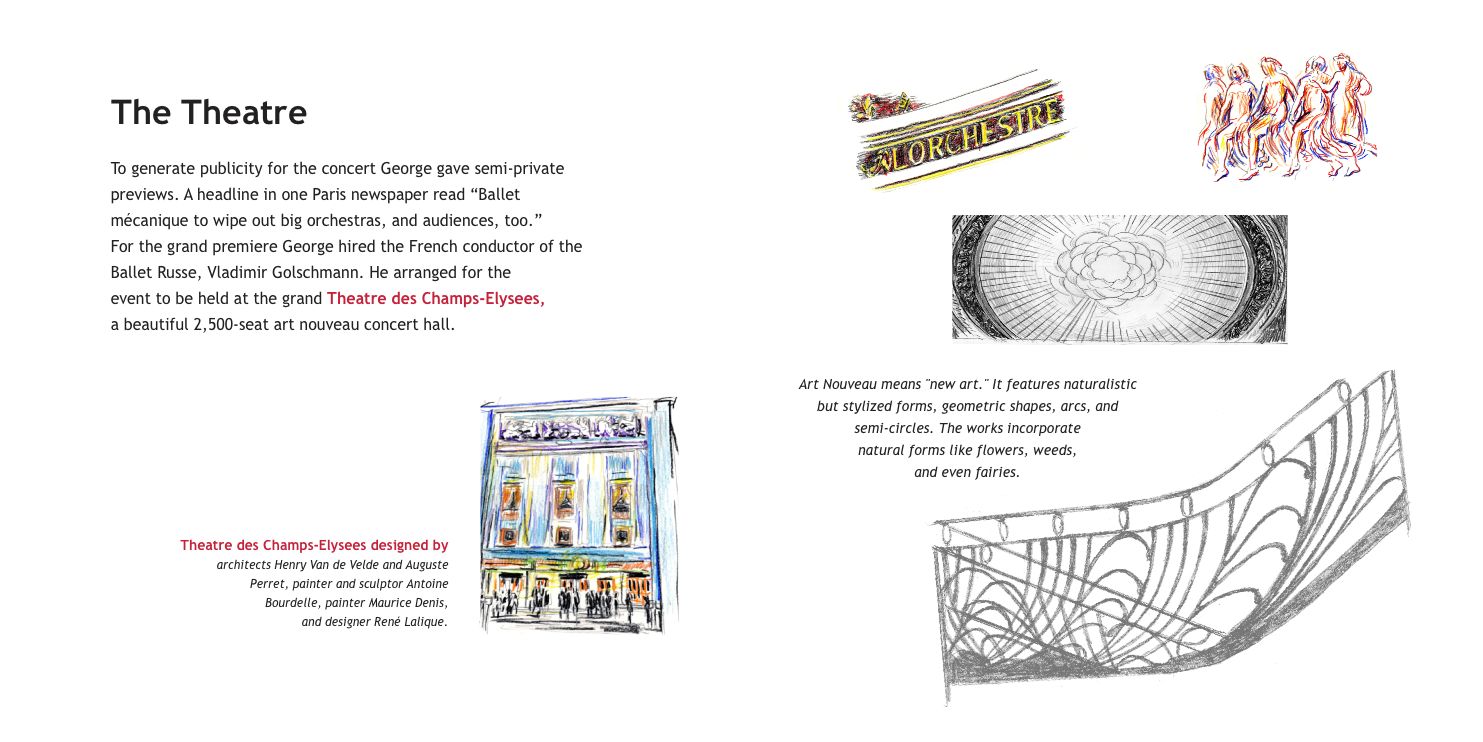
In Paris in the 1920s artists were experimenting with new ways of expressing themselves. George Antheil lived upstairs of Sylvia Beach’s Shakespeare and Company Bookstore where he worked on his Ballet Mécanique, which was going to be his magnum opus.
Cast of Characters
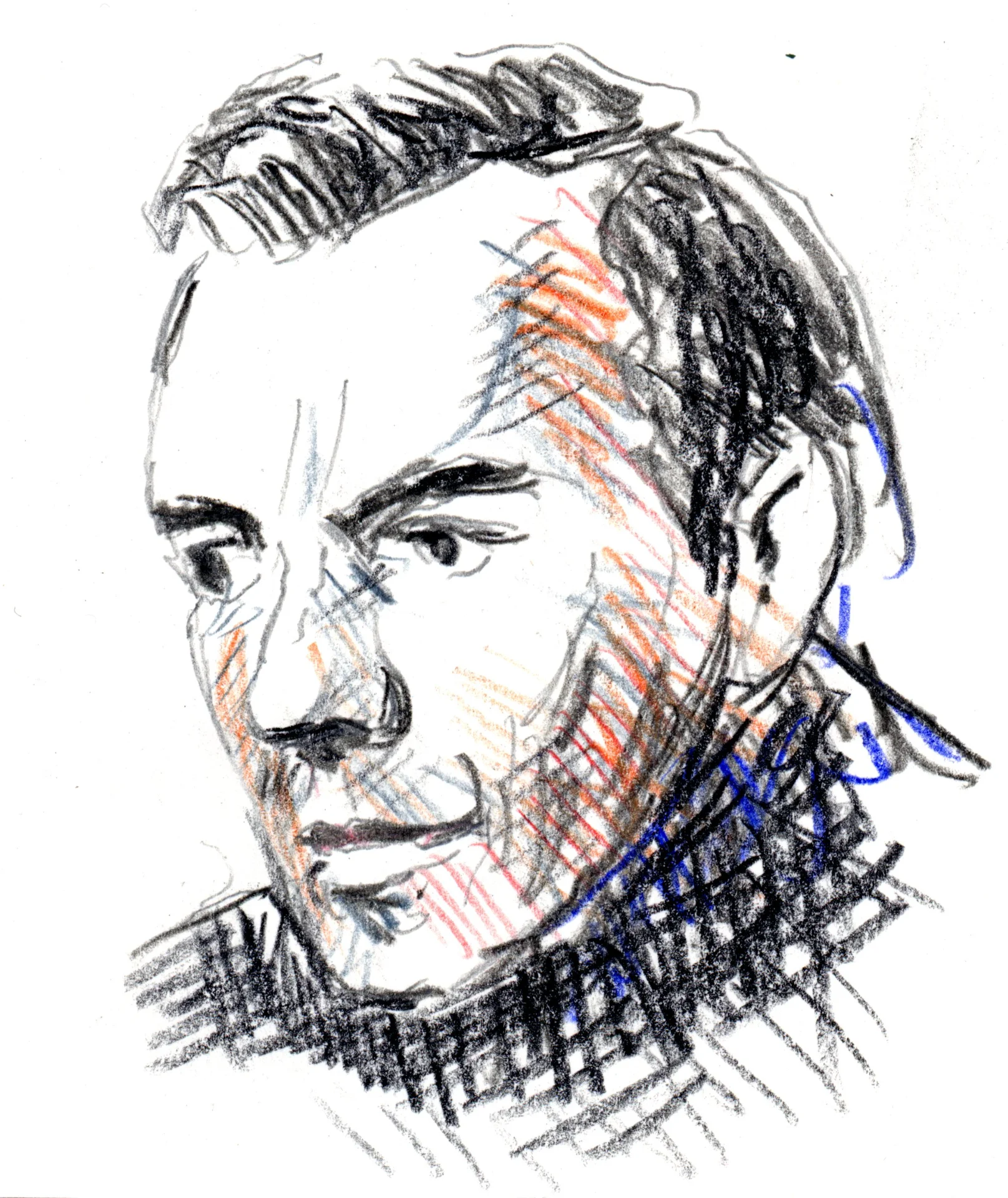
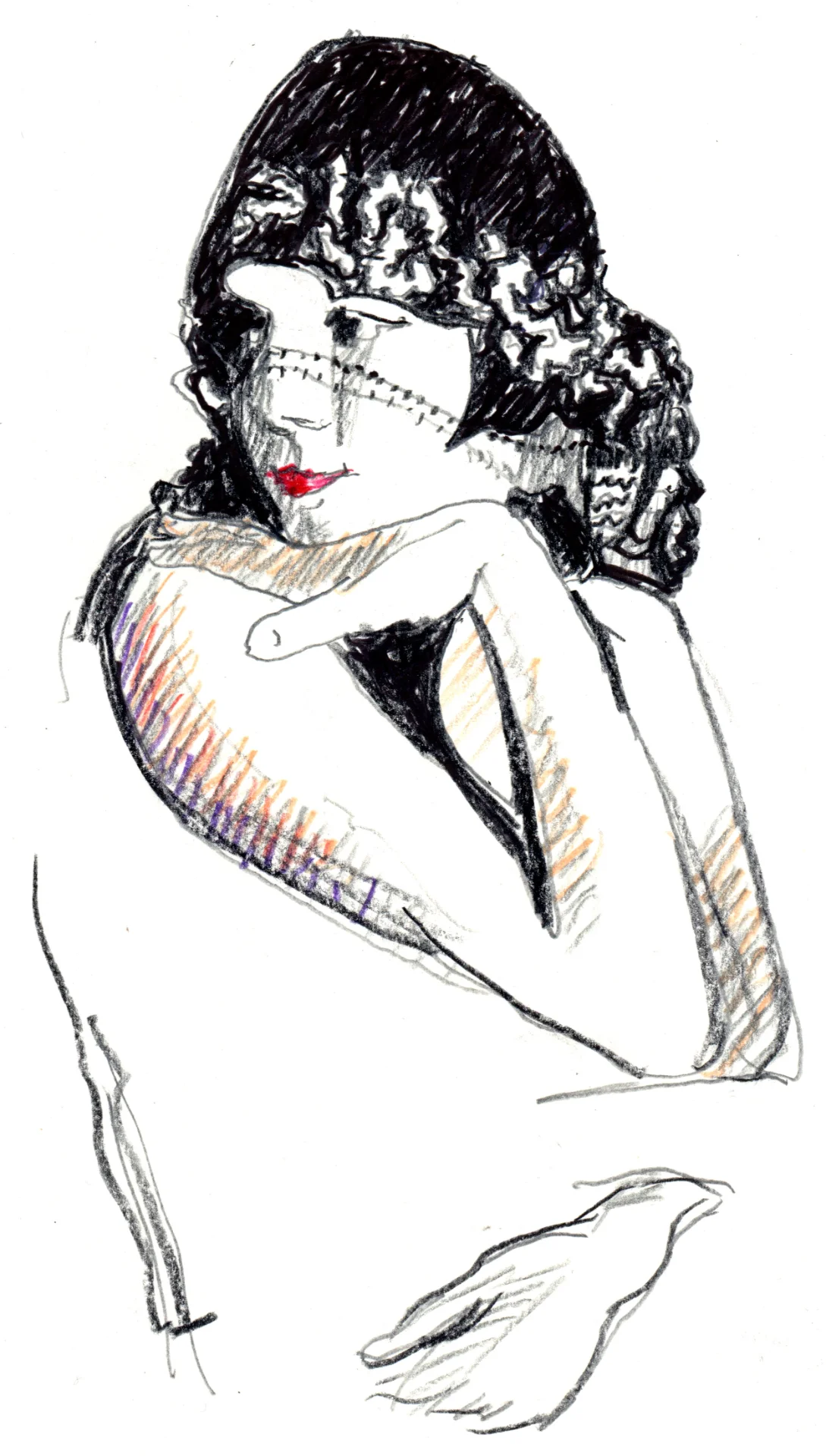
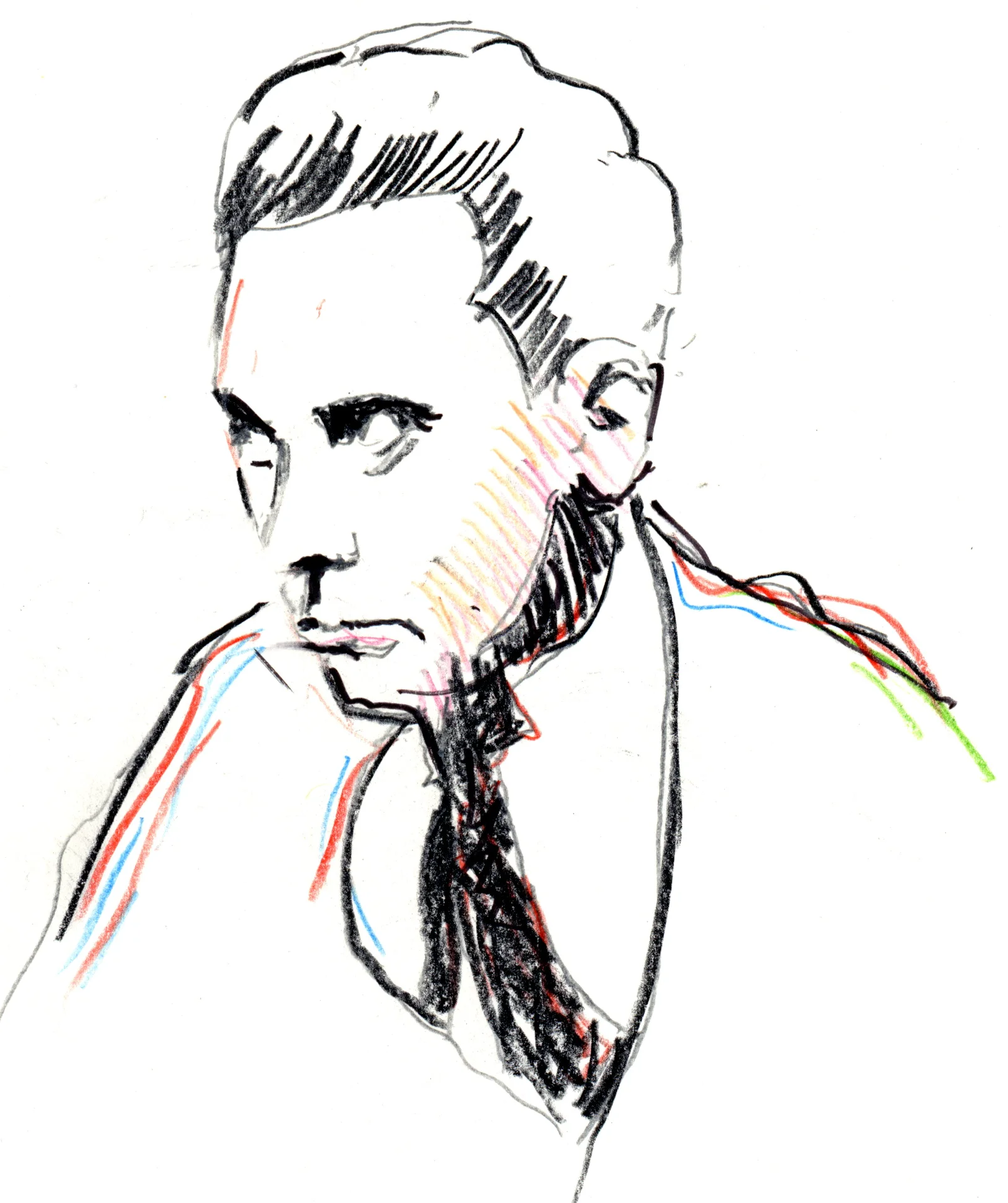
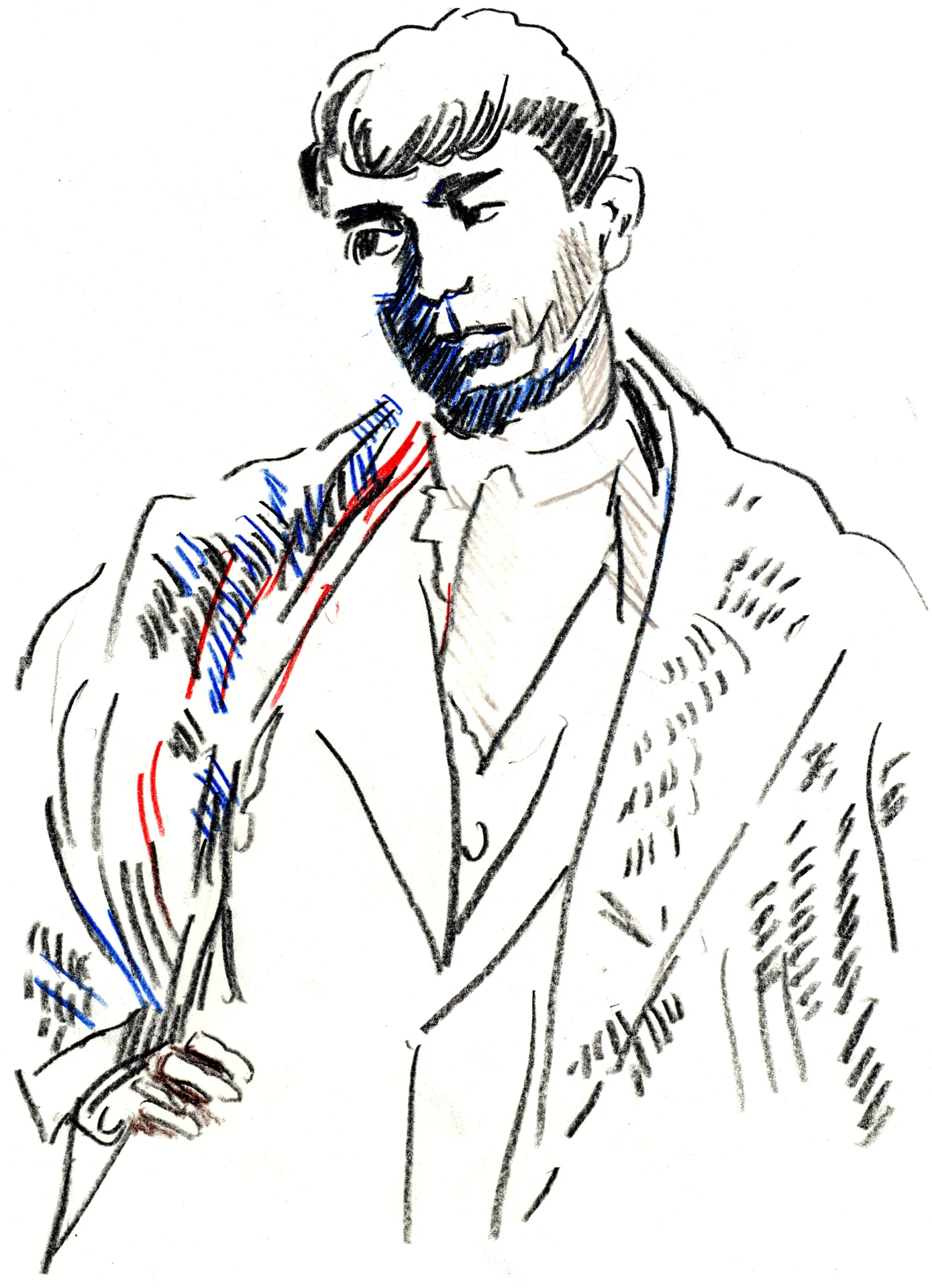
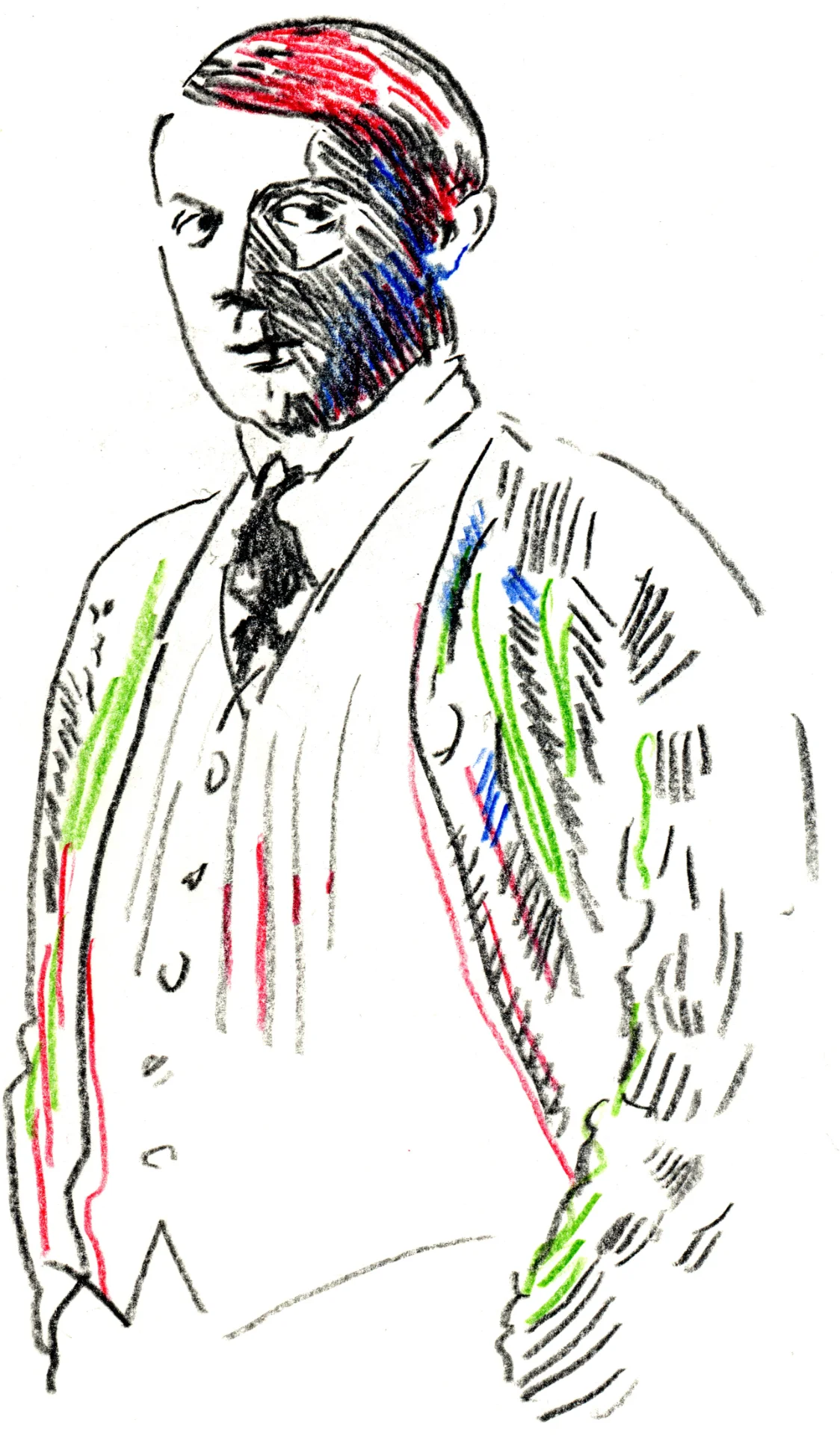
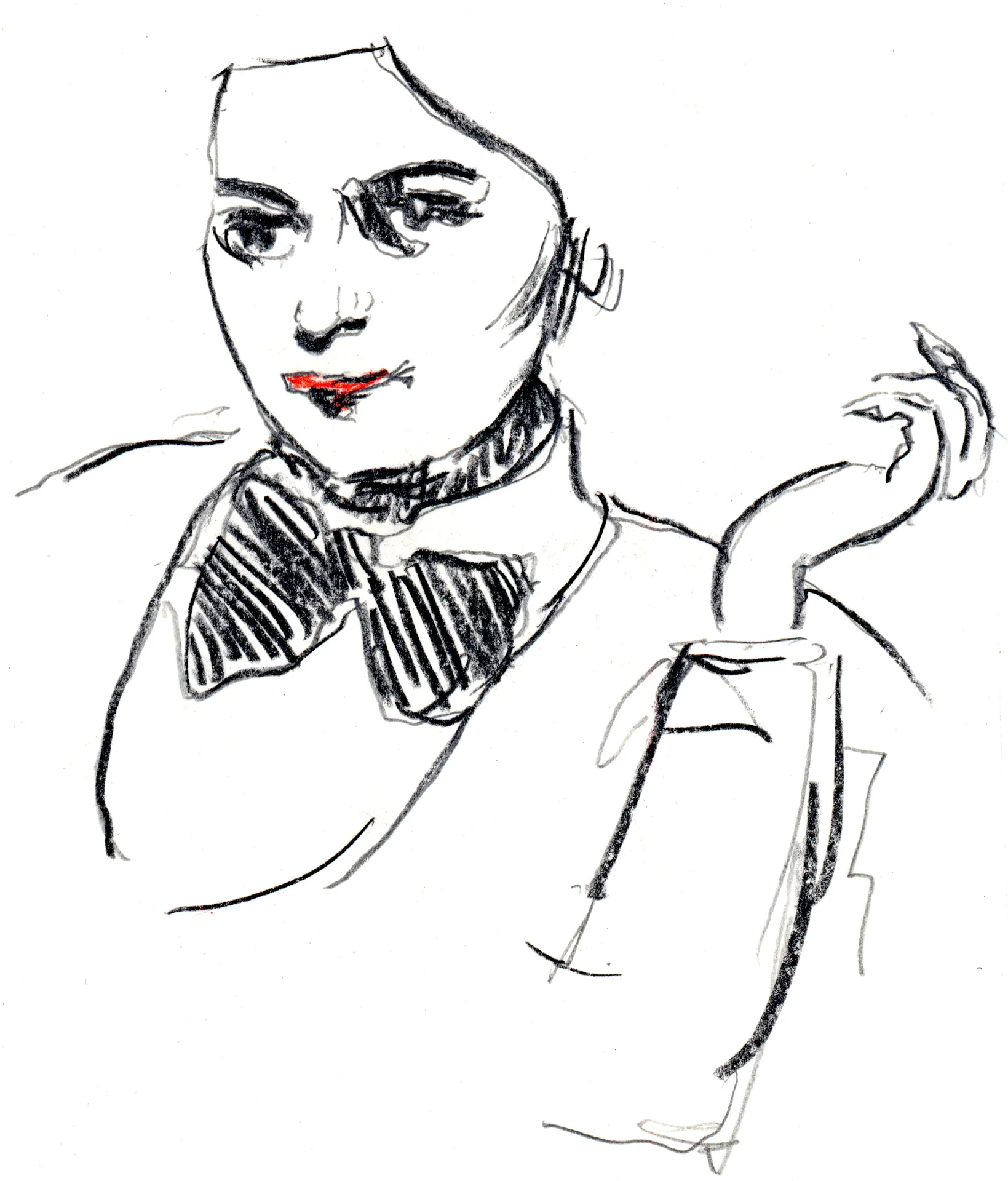
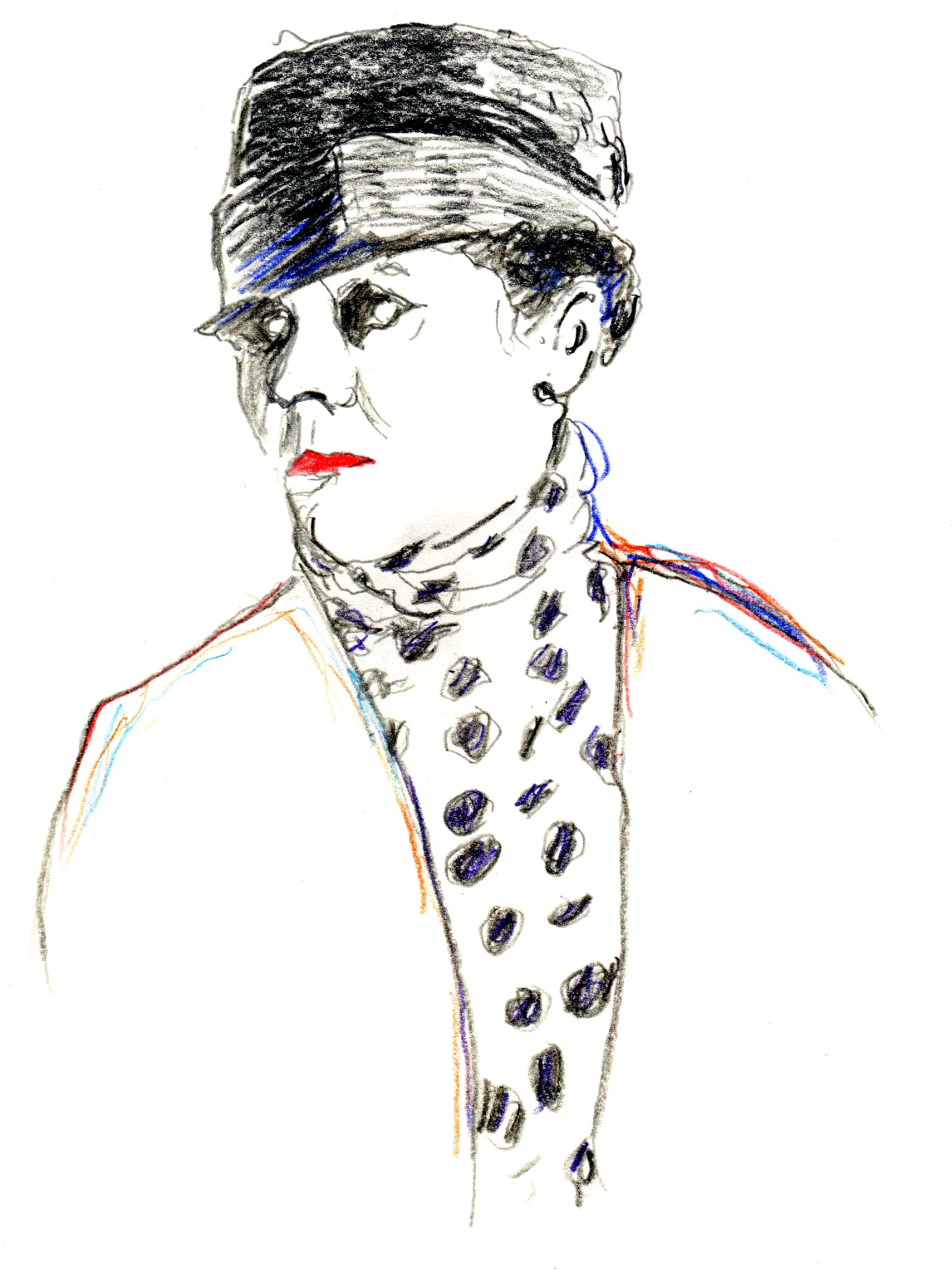
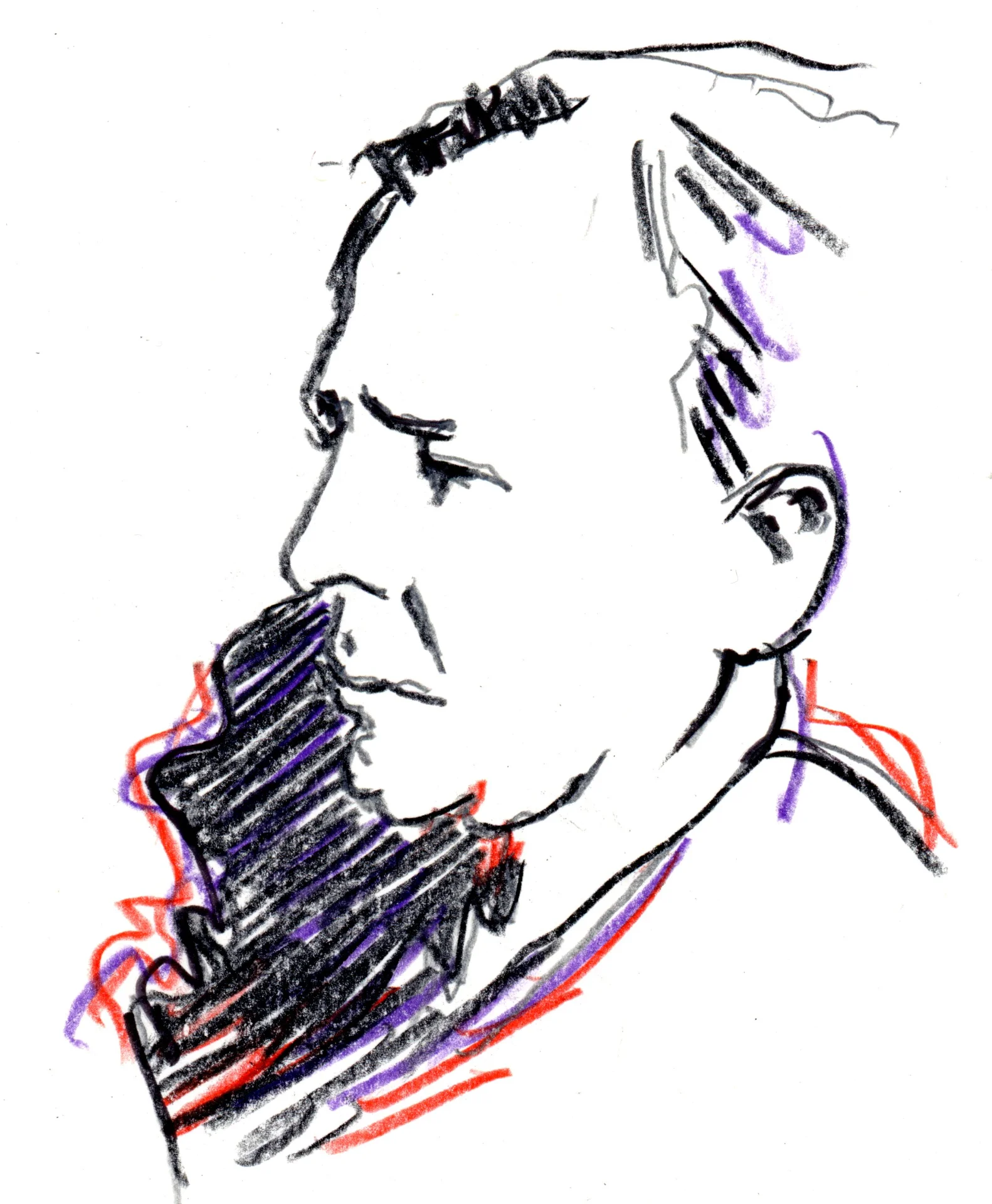
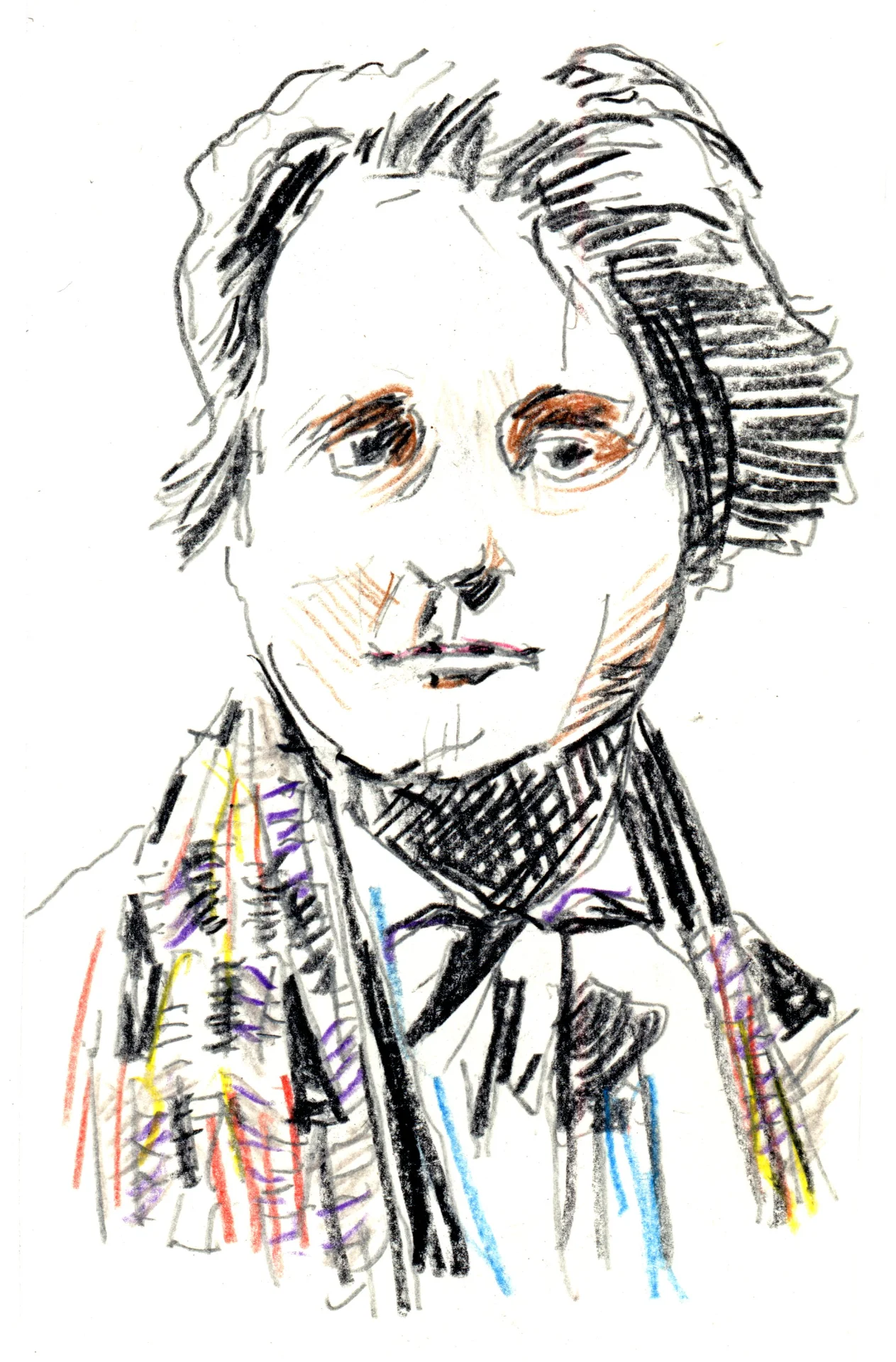
Among those who George got to hang out with were Djuna Barnes, Constantin Brancusi, Igor Stravinsky, James Joyce, Adrienne Monnier, Kiki de Montparnasse, Ernest Hemingway, Pablo Picasso, and Sylvia Beach. A less likely ensemble of poets, painters, prophets, could hardly be imagined.
Recommended reading: In praise of originality and graceful, clear, precise prose
Imaginary Books
Lost, Unfinished, and Fictive Works. Reid Byers, New Castle, DE and Paris, Oak Knoll Press and Le Club Fortsas, 2024. A conceptual-art installation displaying simulacra of books that don’t exist—some because they’ve been lost, others because they never did exist: Love’s Labour’s Won,’ Ernest Hemingway’s first novel, Sappho, Shakespeare, Woolf, Poe, and more.
Joyful Infographics
A friendly, human approach to data. Nigel Holmes, CRC Press. Holmes is one of the leading graphic designers of recent times. He shows how a judicious use of humor can make infographics more understandable. Written in non-academic, easy-to-understand prose, and with historical and contemporary visual examples presented throughout—a short history of light-hearted graphics.
Imaginary Books
Lost, Unfinished, and Fictive Works. Reid Byers, New Castle, DE and Paris, Oak Knoll Press and Le Club Fortsas, 2024. A conceptual-art installation displaying simulacra of books that don’t exist—some because they’ve been lost, others because they never did exist: Love’s Labour’s Won,’ Ernest Hemingway’s first novel, Sappho, Shakespeare, Woolf, Poe, and more.
Joyful Infographics
A friendly, human approach to data. Nigel Holmes, CRC Press. Holmes is one of the leading graphic designers of recent times. He shows how a judicious use of humor can make infographics more understandable. Written in non-academic, easy-to-understand prose, and with historical and contemporary visual examples presented throughout—a short history of light-hearted graphics.